

Why is Junk Food Cheaper? (And How to Eat Healthy on a Budget)

Michael Nguyen
Published Mar 16, 2026
This isn't an accident—it’s the result of how our food system is built.
Here is a breakdown of why healthy food costs more and how you can still eat well without overspending.
Why Junk Food is So Cheap
The main reason junk food is inexpensive is government support. The federal government gives a lot of money (subsidies) to farmers who grow the crops used in processed foods, like corn and wheat.
This keep the ingredients for chips and sugary drinks very cheap. Fresh fruits and vegetables, however, do not get nearly as much support.
There are a few other reasons for the price gap:
- Spoilage: Fresh food like meat and produce spoils quickly. To keep it fresh, stores have to pay for refrigerated trucks and special storage. This makes the price go up.
- Shelf Life: Junk food is full of preservatives, so it can sit on a shelf for months without going bad. This saves "middlemen" and stores money, and those savings are passed to you.
- Rising Costs: Farmers are currently paying more for labor, equipment, and fertilizer. Additionally, things like extreme weather and animal diseases (like the 2025 bird flu) can cause sudden price spikes for eggs and meat.
- Import Taxes: The government puts "tariffs" (taxes) on foods brought in from other countries. This has recently made things like coffee, chocolate, and certain beef and fruits more expensive.
The Best "Budget" Healthy Foods
Eating healthy doesn't always require fresh, organic produce. Some of the most nutritious foods are actually the cheapest:
- Pantry Staples: Items you can buy in bulk—like rice, oats, pasta, and flour—are very affordable.
- Beans and Lentils: Meat is usually the most expensive part of a meal. Plant-based proteins like chickpeas and lentils are cheap, filling, and can easily replace meat in many recipes.
- Frozen and Canned: Don't be afraid of the frozen or canned aisle. Frozen fruits and veggies are just as healthy as fresh ones, but they cost less and last much longer.
8 Tips to Save Money at the Grocery Store
- Shop the "Reduced" Section: Look for items near their "best-by" date. You can freeze them as soon as you get home to make them last.
- Buy in Season: Fruits and vegetables are cheapest when they are in season (like berries in summer or squash in winter).
- Buy Store Brands: "Generic" or store-brand items are usually the exact same quality as big-name brands but cost much less.
- Check for Coupons: Use your store’s weekly ad or loyalty app to find deals before you leave the house.
- Compare Stores: Some stores have cheaper milk, while others have cheaper produce. If you have the time, it pays to shop around.
- Avoid Food Waste: Keep your food fresh longer by storing it correctly. For example, taking plastic off produce or putting a paper towel in your container of greens can prevent them from rotting.
- Buy Bulk: Whenever possible, buy large bags of rice, beans, or oats rather than small individual packages.
- Look for Specials: Sign up for store rewards programs to get "member-only" discounts.
Changes to SNAP (Food Stamps) in 2026
If you use SNAP benefits, be aware that rules are changing in several states starting in 2026 (including Texas, Florida, Iowa, and others). These states are planning to restrict what you can buy with EBT cards.
While rules vary by state, the most common items being restricted include:
- Sugary sodas and energy drinks.
- Packaged snacks like chips and cookies.
- Certain pre-made frozen meals.
Basic frozen fruits and vegetables will still be covered. Always check your local state's rules to see how your benefits might be affected.
-
Subscribe to secure your food stamps and learn more about this government benefit.

Related Articles
View all posts
$400 Emergency Relief Payment for Illinois Residents Who Lost SNAP Benefits
Illinois is offering temporary financial support to help residents who lost their SNAP food benefits due to expanded federal work requirements. Through a new $70 million state program called Fa...

Summer 2026 Food Help for Families: Free Meals and Other Resources...
When school is out for summer, many children lose access to the free or reduced-price meals they depend on during the school year. This can put extra strain on family budgets. SUN Bucks (also known as ...

How Food Banks Work: A Simple Guide...
A food bank is a large warehouse run by a nonprofit organization that collects and stores food to help fight hunger. Think of it as a central hub where food comes in, gets organized, and then goes out to smaller local programs that ...
Where to Find Free Groceries in Texas and California (March 23–28, 2026)...
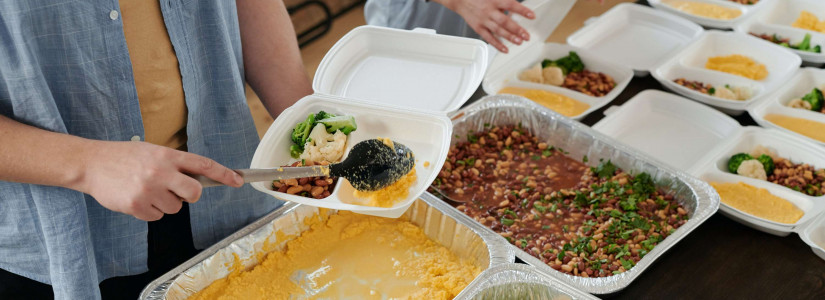
Families in Texas and California who are looking for extra help with groceries can access several free food distribution events this week. These programs are designed to be easy to use, and you...
Why is Junk Food Cheaper? (And How to Eat Healthy on a Budget)...
If you’ve ever noticed that a box of cookies costs less than a bag of apples, you aren’t alone. In the United States, junk food like soda, white bread, and processed snacks are the most common sou...
Grocery Prices: What’s Getting Cheaper and What’s Still Going Up...
U.S. shoppers are finally seeing some relief at the grocery store, but the news is a mixed bag. While prices for some kitchen staples are finally dropping after years of high inflation, other everyday i...